Shaun
Shaun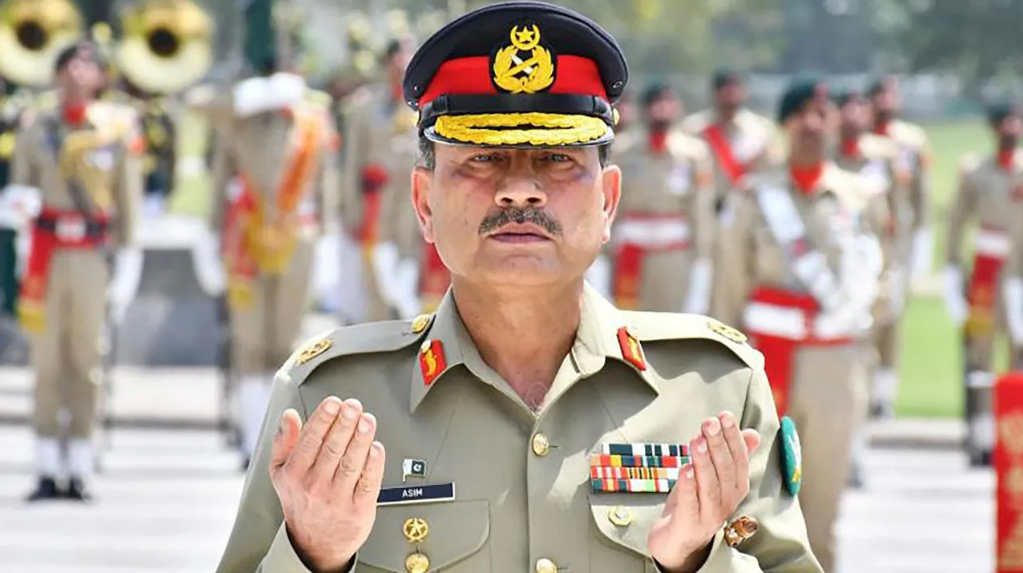
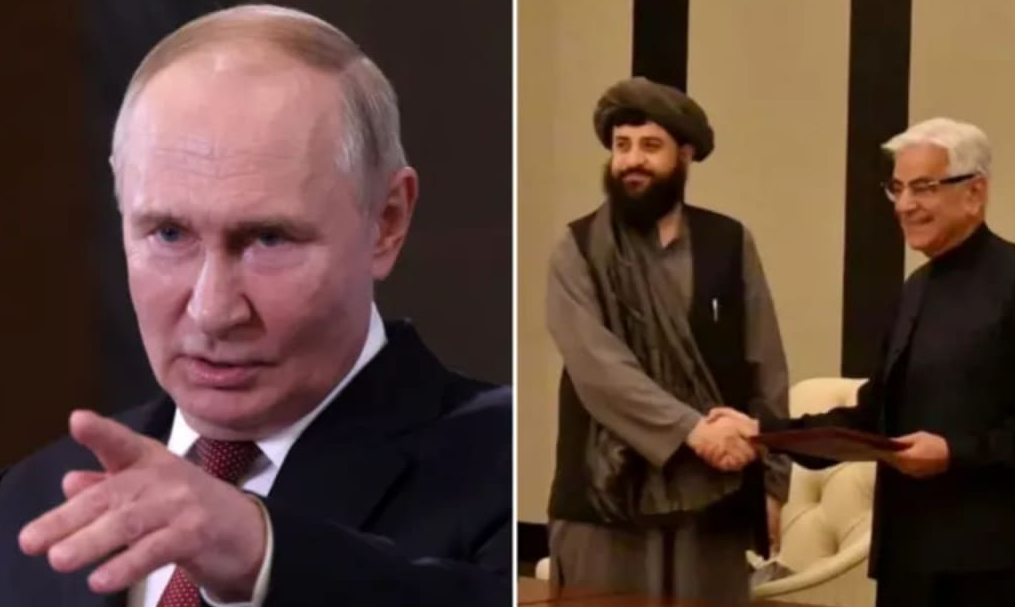
What would you say if you found out that your country’s army had decided a soldier’s worth monetarily? Would you be shocked or angry? That’s what has reportedly happened in Pakistan with a well-known journalist claiming that Islamabad demanded for $10,000 per soldier from Israel for sending their troops to Gaza, as part the of the Gaza peacekeeping force.
Pakistani troops to be part of Gaza peacekeeping force
When US President Donald Trump presented his 20-point peace proposal for Gaza, one of the salient features of the plan was the formation of a temporary International Stabilisation Force (ISF) which would be deployed to Gaza immediately. As per Trump’s plan, the ISF would train and support vetted Palestinian police forces. It would work with Israel and Egypt to help secure border areas, along with newly trained Palestinian police forces and prevent munitions from entering Gaza and facilitate the rapid and secure flow of goods to rebuild and revitalize Gaza.
It was also decided that the ISF would be formed with its Arab and other international partners with no American troops on the ground in Gaza.
And based on reports, Pakistan would be sending 20,000 soldiers to the Gaza Strip under the deal. This move came after Pakistan’s army chief Field Marshal Asim Munir held secret meetings with senior officials from Israel’s Mossad and America’s Central Intelligence Agency (CIA).
In their discussions, it emerged that in Gaza, Pakistani soldiers would “neutralise remaining Hamas elements and stabilise the territory under Western instructions”. That the arrangement involves a “controlled Pakistani military presence in Gaza” under the guise of humanitarian rehabilitation and reconstruction, but the real mandate would involve neutralising Hamas and maintaining a buffer zone between Israel and Palestinian armed groups in Gaza.
This mark Pakistan’s first indirect engagement in Israeli security operations, and would be especially significant as Islamabad doesn’t recognise Israel. Many defence and geopolitical experts even called it a “historic and unprecedented realignment” for Pakistan and West Asia.