Shaun
Shaun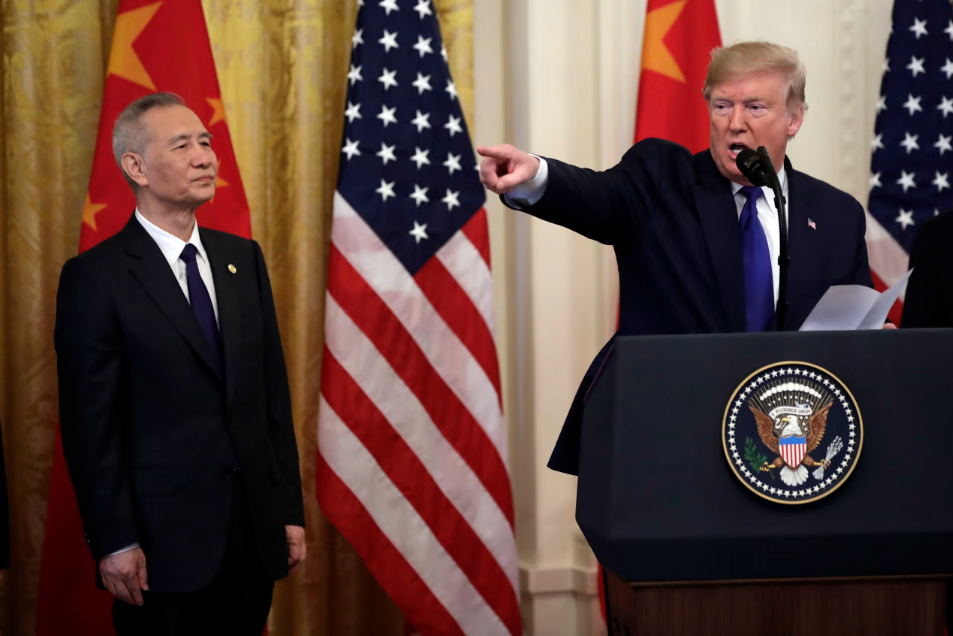
While there may be much relief after the détente in the tariff war between China and the U.S., in Busan, South Korea, following the meeting between U.S. President Donald Trump and his Chinese counterpart Xi Jinping, the uneasy truce has laid bare a structural inversion of power between the two economies.
What began in the 1980s as a reluctant embrace of World Bank/IMF-prescribed neoliberal reforms by an overwhelmingly agrarian China, has now evolved into an unimaginable assertion of industrial dominance. A nation that once bartered sovereignty for technology transfer and market access has, through patient accumulation of manufacturing depth, labour arbitrage, and global supply-chain integration, positioned itself as the indispensable node of world production. The irony is sharp.
The U.S., whose export and technology corporations once defined global trade cycles, now finds its four-year political rhythms ill-suited to contest a rival that plans in decades. The concessions Mr. Trump has extended to Mr. Xi include some reductions in tariffs, a pause on additions to the “no-trade list” of Chinese firms, and a partial rollback on levies linked to the fentanyl supply-chain dispute. China has promised resumption of purchase of American farm products, particularly soybean, and an easing of export restrictions on critical minerals.