Shaun
Shaun
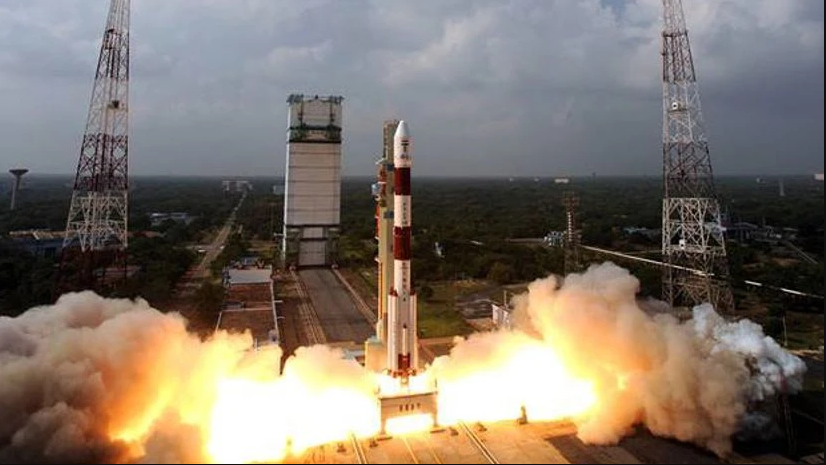
The Indian Space Research Organisation (Isro) created history as it deployed the ambitious Nasa-Isro Synthetic Aperture Radar (Nisar) mission in space after a textbook launch from Sriharikota. All eyes are on the commissioning phase of the mission, which will begin with the unfolding of the antenna that had been folded for launch.
The massive 12-meter (39-foot) wide gold-plated wire mesh reflector mounted at the end of a 9-meter boom will now be moved for deployment. This giant antenna, essential for focusing radar signals to map Earth’s surface, cannot be launched fully open due to size constraints inside the rocket fairing. Instead, it was meticulously folded and stowed for launch, much like a folding camp chair.
UNFOLDING IN SPACE EXPALINED
This large antenna is critical to Nisr’s mission of Earth observation, enabling the satellite’s dual-frequency radar systems (combining NASA’s L-band and ISRO’s S-band radars) to capture detailed images and subtle surface movements through clouds, vegetation, and darkness.



 admin
admin