
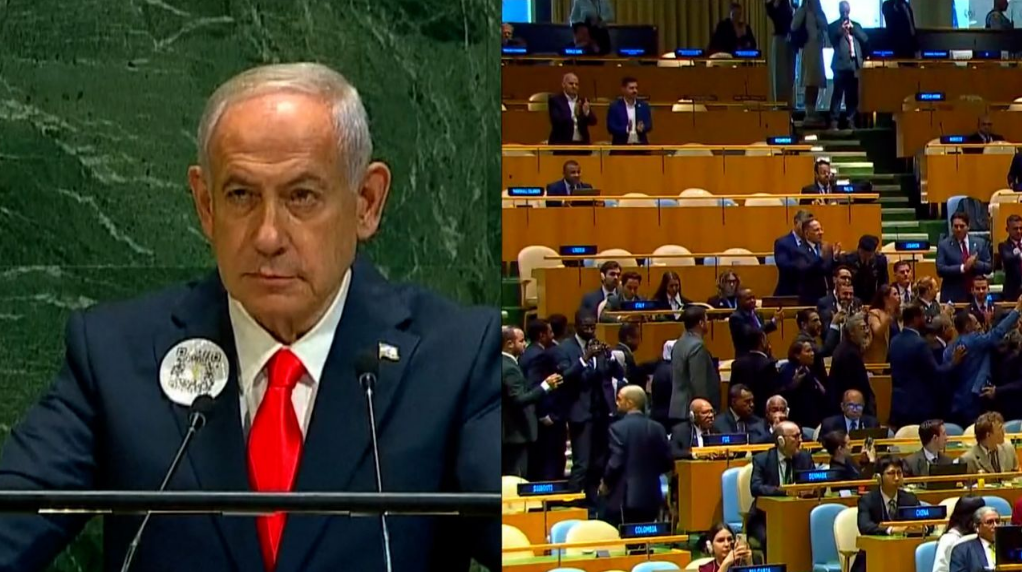
In a dramatic turn of events, former U.S. President Donald Trump has announced that a deal to end the ongoing conflict in Gaza is “close to being finalized” and promised the release of hostages as part of the agreement. Speaking to reporters, Trump was confident that this deal would be a game-changer, declaring, “It’s going to end the war.”
Trump’s Bold Statement: A Potential Turning Point in the Gaza Conflict
In an unexpected development that has caught the attention of global leaders, Trump’s comments signal a significant shift in the dynamics of the Gaza conflict, which has escalated into one of the most violent and protracted wars in recent years. While specific details of the deal remain under wraps, the former President’s bold statements have raised hopes for an end to the violence that has claimed thousands of lives and displaced countless others.
In his remarks, Trump emphasized that the agreement would not only lead to the release of hostages but would also pave the way for long-term peace efforts in the region. “This is not just a ceasefire,” Trump asserted. “It’s a path forward to lasting peace. We’re close, and this deal is going to change everything.”
Key Details of the Deal: Hostage Release and Potential Ceasefire
While Trump did not elaborate on the specifics of the deal, it is understood that key elements include the release of hostages held by various factions within Gaza, including Israeli, American, and other foreign nationals. In addition to the hostages, the deal is expected to involve significant steps toward a ceasefire, with both sides agreeing to halt military operations in exchange for humanitarian aid and international support.
One of the most critical components of the deal, according to Trump, is the involvement of regional stakeholders such as Egypt and Qatar, who have played intermediary roles in facilitating discussions between the Israeli government and Palestinian factions. Trump also hinted at the possibility of economic aid and infrastructure support being provided to Gaza to help rebuild the war-torn region.
Trump’s Negotiation Strategy: A Return to the Table
Trump’s involvement in the negotiations comes as a surprise to many, given his controversial role during his presidency in shaping U.S. foreign policy in the Middle East. His administration had been accused of deepening divisions by recognizing Jerusalem as Israel’s capital and pulling out of the Iran nuclear deal. However, this new peace initiative appears to be an attempt to recast his foreign policy legacy.
In recent weeks, Trump has been engaged in backchannel negotiations, working with Middle Eastern leaders and international diplomats to broker a solution. According to sources close to the talks, Trump’s strategy revolves around offering both diplomatic incentives and economic aid to bring the parties to the table. His approach seems to emphasize pragmatism over ideology, a move that could potentially yield results given the region’s complex geopolitical landscape.
Localized Perspective: What This Means for the Middle East
From a regional perspective, Trump’s announcement has sparked mixed reactions. In Israel, government officials are cautiously optimistic but wary of the deal’s long-term sustainability. For many Israelis, the idea of releasing hostages and agreeing to a ceasefire is a positive step, but there is concern over the security implications of any concessions made to militant groups in Gaza.
On the Palestinian side, the news has been met with skepticism. Palestinian leaders have repeatedly called for an end to the Israeli occupation of Palestinian territories, and many see any deal that does not address the root causes of the conflict as insufficient. However, the potential release of hostages and the promise of humanitarian assistance could offer a glimmer of hope to Palestinians living in Gaza, who have endured immense suffering over the past years.
Trump’s Promises: A Path to Peace or Another False Dawn?
While Trump’s statements have created a wave of optimism, there remains considerable skepticism about whether this deal will lead to lasting peace. Critics argue that Trump’s track record on Middle Eastern diplomacy is a mixed bag at best, and his approach to the conflict may overlook key issues that have led to decades of violence in the region.
In particular, the two-state solution—which has long been viewed as the foundation for peace between Israelis and Palestinians—has yet to be addressed. Many experts warn that without a clear framework for addressing the underlying causes of the conflict, including the status of Jerusalem, the right of return for Palestinian refugees, and the future of Israeli settlements, any agreement could be short-lived.
Local Impact: What Does This Mean for the People of Gaza and Israel?
Locally, the impact of a ceasefire or peace deal would be monumental for the people of Gaza, who have suffered through intense blockades, frequent bombings, and widespread destruction. Many families in Gaza are struggling to survive, with limited access to food, medicine, and essential services. A ceasefire could bring a welcome respite, but the promise of reconstruction and international aid would be essential to truly rebuild Gaza’s infrastructure.
In Israel, while the promise of a ceasefire may bring some relief to communities living near the Gaza border, there is deep-rooted skepticism about whether any deal can bring lasting security. The question remains: Can both sides trust each other enough to put their arms down permanently?
Conclusion: A Game-Changing Moment or Another Failed Attempt?
As Trump’s announcement continues to make headlines, the world is watching closely. Will this peace deal be the breakthrough that finally ends the decades-long conflict in Gaza, or will it become just another failed diplomatic effort in a region plagued by intractable disputes? Only time will tell, but one thing is certain: the world is waiting for a resolution that can bring long-lasting peace to one of the most volatile regions in the world.