Shaun
Shaun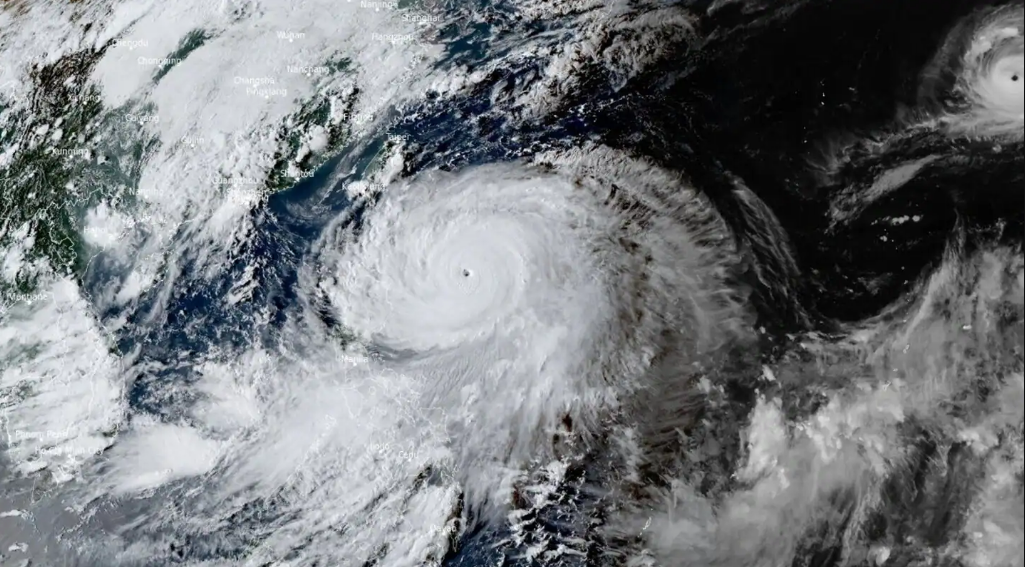
In September 2023, super typhoon Saola which packed maximum sustained wind speeds of 210km/h, skirted the city, prompting authorities to issue the No. 10 hurricane signal – the highest storm warning – for more than seven hours.
Super typhoon Mangkhut in 2018 – to date the most intense typhoon to strike the city – injured 200 people, sunk ships and wrecked infrastructure, with the weather agency estimating economic losses of HK$4.6bn ($592m).
In 2017, typhoon Hato unleashed serious flooding and smashed and injured more than 100 people in the city.
Since 1962, at least four other typhoons have prompted the No. 10 signal in Hong Kong.
The city’s authorities on Tuesday compared the “serious threat” that Ragasa poses to Mangkhut and Hato.
I am here in Zhuhai, a city in the southern Chinese province of Guangdong, where people are also deep in preparation mode.
Businesses, restaurants and homeowners are taping their windows. The police are patrolling the sea front calling on people to stay back, but some are still taking the last opportunity of the day to get photos of the incoming waves.
“Aren’t you scared,” I asked.
“No, no,” they said, as they filmed a video and snapped a selfie.
A bridge connecting Zhuhai to Hong Kong still remains open.
Aftermath of typhoon in the Philippinespublished at 11:16
“Ragasa has an extensive circulation with fierce winds, posing a severe threat to the coast of Guangdong,” it said. Ragasa is expected to make landfall in Guangdong on Wednesday. As of 13:00 local time (06:00 GMT) on Tuesday, Ragasa was estimated to be about 390km southeast of Hong Kong, authorities said. They added that they planned to raise the storm alert to category 8 at 14:20 local time (07:20 GMT).
“The Government advises members of the public with long or difficult home journeys or having to return to outlying islands to begin their journeys now,” the authority wrote in a Facebook post. “The Government is now making arrangements to release its employees accordingly.”
Ragasa is expected to brush past Hong Kong and make landfall in China on Wednesday. The super typhoon is expected to make a “frontal assault” on the southern Guangdong province – a manufacturing hub home to thousands of factories.
Authorities in the Chinese city of Shenzhen, which neighbours Hong Kong, have also evacuated 400,000 people and urged residents to stay home


 admin
admin