Shaun
Shaun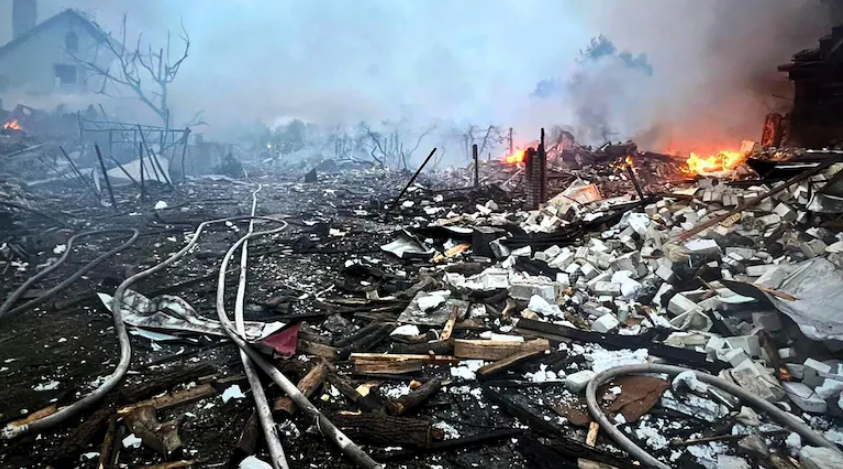
Intense overnight bombardment shakes Ukraine’s capital, escalating regional tensions as Poland prepares to defend its airspace.
Overview: How the 12-Hour Russian Strike Unfolded Over Ukraine?
In a devastating display of military force, Russia unleashed a relentless 12-hour barrage of attacks on Ukraine, targeting Kyiv and other key areas with over 600 drones and missiles. This unprecedented assault has left Ukraine scrambling to defend its capital and critical infrastructure.
Simultaneously, neighboring Poland scrambled fighter jets to respond to potential spillover threats, highlighting growing regional concerns about the conflict’s expanding scope.
The Attack on Kyiv: What the Numbers Tell Us
-
600+ Drones and Missiles: Ukraine’s air defense systems faced overwhelming pressure as waves of drones and ballistic missiles rained down on Kyiv, testing the city’s resilience.
-
Infrastructure Damage: Power grids, communication hubs, and civilian areas were severely impacted, leaving many neighborhoods without electricity or internet for hours.
-
Casualties and Response: While exact casualty figures remain unconfirmed, emergency services have reported dozens of injuries. Hospitals and first responders are working under intense pressure.
Local Perspective: Impact on Kyiv Residents and Neighboring Poland
For the people of Kyiv, the relentless attacks brought back memories of earlier conflict waves, rekindling fears and uncertainty.
Oksana Shevchenko, a resident of central Kyiv, shared:
“The sky was filled with sirens and explosions for hours. We took shelter in the basement and prayed for safety.”
Meanwhile, in Poland, cities near the border such as Rzeszów and Przemyśl felt the ripple effects. Poland’s quick reaction—scrambling jets to secure its airspace—reflects the nation’s commitment to NATO and regional security.
Polish authorities have urged residents to stay vigilant but assured that no direct attacks on Polish territory have occurred.
Why Poland’s Response Matters: A Regional Security Perspective
Poland’s rapid deployment of fighter jets amid the chaos underscores the escalating tensions in Eastern Europe. As one of NATO’s frontline members, Poland plays a crucial role in deterring further aggression and protecting alliance airspace.
This event raises questions about how neighboring countries will balance defense readiness with diplomatic efforts to prevent the conflict from expanding beyond Ukraine’s borders.
Key Facts at a Glance
| Detail | Information |
|---|---|
| Duration of Attack | 12 hours |
| Number of Drones & Missiles | Over 600 |
| Primary Target | Kyiv and surrounding areas |
| Casualties | Dozens injured (official figures pending) |
| Poland’s Response | Fighter jets scrambled to secure airspace |
| Regional Impact | Heightened security across Eastern Europe |
What Comes Next? Ongoing Risks and International Reactions
The sustained intensity of the attacks signals a potential shift in Russia’s military tactics, increasing risks for civilian populations and infrastructure. International leaders have condemned the strikes, calling for urgent de-escalation and renewed diplomatic talks.
Ukraine’s air defense capabilities remain crucial in the coming days as the nation braces for further attacks. Poland and other neighboring countries continue to monitor the situation closely, ready to respond to any threats.


 admin
admin