Shaun
Shaun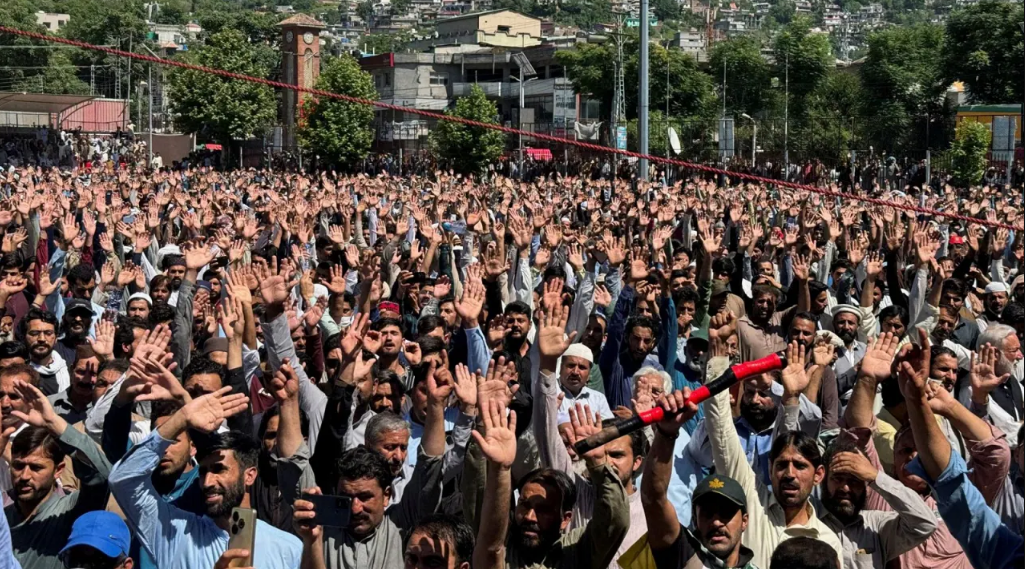
Pakistan-occupied Kashmir’s Muzaffarabad and its surrounding towns are once again engulfed by the heat of protests. This time, GenZ in PoK appears determined for a decisive confrontation. There is intense anger among the youth against the coalition government of Pakistan Prime Minister Shehbaz Sharif.
What began as a peaceful demonstration against rising university fees and the examination evaluation process has now widened into a larger movement demanding independence, economic relief, and an end to what many see as exploitative policies of the Pakistani state.
What is happening in Pakistan-occupied Kashmir?
The spark for the current protest was lit on October 30 at the University of Azad Jammu and Kashmir. Around 500 college students in Muzaffarabad marched towards the administration building. They raised slogans saying fees are not acceptable, we want freedom. Their demands focussed on a 40 percent increase in tuition fees which has become unbearable in a period of high inflation. Along with this, students accused the authorities of favouring influential families through a manipulated grading system. The students said that they were not only fighting for education but for their future.
The number of protestors has been growing steadily. A 20 year old computer science student and coordinator of the protest Ayesha Khan told local journalists that tensions would increase further. Students are now joined by labourers, shopkeepers, and women’s groups. Major roads connecting the region to Pakistan’s Punjab province have been blocked. This has placed the government in a state of alarm, including the Prime Minister and the Army Chief.
PoK demands freedom from Pakistan rule
Flags of Azad Kashmir were waved during rallies and effigies of Shehbaz Sharif were burnt. Videos and live streams from TikTok and X made the protest a global conversation. Hashtags like PoKRevolts and GenZAzadi gained international attention. Footage showed young people throwing stones at police barricades while security forces responded with tear gas and baton charges.
According to initial reports from Amnesty International, at least 47 people were injured. The intensity of the movement reflects long standing grievances among those living in PoK. A prominent activist Amjad Yusuf wrote that this is no longer a fight about fees, it is a fight for dignity, and his message received widespread circulation.
Shehbaz Sharif government’s growing woes
The Sharif government is already struggling with an economic crisis and instability within the coalition government. On November 4, Home Minister Mohsin Naqvi announced the formation of a fee review committee, but protestors dismissed the move as a tactic to defuse the momentum. Around 200 arrests have been made so far, including several student leaders. Students have accused the government of using repression to silence them. The Pakistan Peoples Party, a key ally in the government, appealed for dialogue with the protestors. However, students refused, saying that they are labelled as Indian agents by government supporters, which makes talks meaningless.
The protests have drawn attention from India and from international observers. India considers PoK to be part of its territory. Indian External Affairs Minister S Jaishankar said that suppression only amplifies demands for self determination. As the protests enter their fifth day, main roads in Muzaffarabad remain blocked and universities remain closed. Gen Z protestors are organising through livestreams and encrypted digital communication, moving faster than traditional state responses.
Whether the unrest will calm through concessions or whether this moment will grow into the next major autonomy movement in PoK is still uncertain. For now, amid the haze of tear gas, the voices of the youth continue to echo across the streets.


 admin
admin