Shaun
Shaun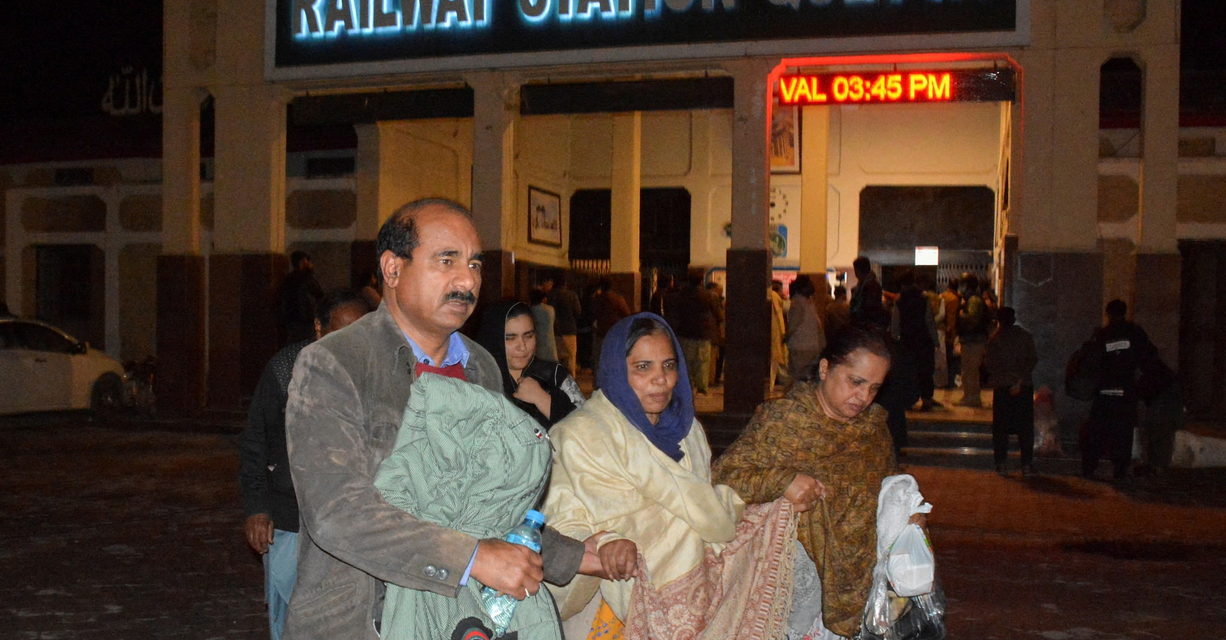
Pakistan’s under-developed southwestern province of Balochistan has experienced prolonged insurgency, with increased attacks in recent years. On Tuesday, the outlawed Baluch Liberation Army (BLA) captured a passenger train, marking an unprecedented large-scale operation by the militant organisation. The militants held hundreds of passengers aboard the Jafer Express captive. Pakistani forces reported on Wednesday that they had eliminated all 50 attackers. According to military statements, the assailants killed 21 passengers, while the remaining passengers were safely rescued.
Balochistan, Pakistan’s largest yet least populated province, is home to the ethnic Baloch minority, who claim governmental discrimination. The separatists have been campaigning since the early 2000s for self-governance or independence from Islamabad, demanding a larger portion of the province’s abundant natural resources.
The BLA has drawn comparisons with Pakistani Taliban due to their threat level. The group regularly confronts Pakistani security forces and has previously targeted civilians, including Chinese nationals working on China-Pakistan Economic Corridor projects.
Despite governmental claims of reduced violence, attacks persist in Balochistan, where Islamic militant groups also operate. The BLA, designated as a terrorist organisation by Pakistan and the United States, has approximately 3,000 fighters and aims to establish an independent Baloch state across regions in Pakistan, Iran and Afghanistan.
Pakistan alleges Indian support for the BLA and suggests collaboration between the group and the Pakistani Taliban. Analysts note increased BLA activity since the Pakistani Taliban terminated their cease-fire in November 2022.
The porous 900-kilometre border with Iran contributes to regional instability, allowing unrestricted movement of smugglers and militant groups. Both nations accuse each other of harbouring insurgents.
Economic implications are significant, deterring investment in Pakistan. The Belt and Road Initiative’s investments have further alienated the Baloch community, who claim exploitation of local resources without community benefits.
Security analyst Syed Muhammad Ali suggests that whilst the train attack garnered media attention, civilian casualties may diminish the BLA’s local support.


 admin
admin