Shaun
Shaun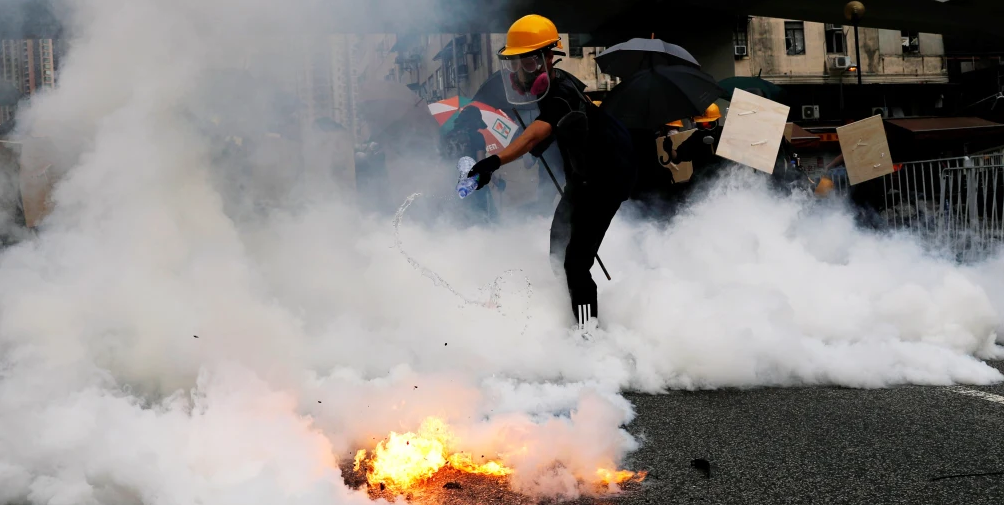
BANDUNG, Indonesia, Sept 2 (Reuters) – Indonesian police fired tear gas and rubber bullets at protesters near two universities in the city of Bandung, student groups and authorities said on Tuesday, stoking concerns over unrest in which 10 people have been killed since last week.
The protests began in the capital Jakarta, targeting government spending such as enhanced perks for lawmakers, and have since spread nationwide. They escalated into rioting and looting, causing millions of dollars of damage in the capital, after a police vehicle hit and killed a motorcycle taxi driver.
University students have long been seen as vanguards of Indonesia’s democracy, having taken a leading role in protests that toppled authoritarian President Suharto in 1998. The incident in Bandung was the first instance of police firing at demonstrators on or near university campuses during the current protests, with previous clashes in and around government buildings and officials’ residences.
President Prabowo Subianto warned on Monday that the police and military would stand firm against violent escalations. Police official Hendra Rochmawan said officers did not enter the campuses of the Islamic University of Bandung, or UNISBA, and nearby Pasundan University, more than 140 km (87 miles) from Jakarta, on Monday night, but tried to break up crowds of “non-student protesters” around the premises.
The UNISBA student body accused security forces of seeking to silence dissent, saying they “brutally attacked” the campus. Student groups at Pasundan shared a similar account on social media. “We feel campuses are no longer safe for students … When military or security officers came into our campuses, then there is no longer a safe zone for us,” Raviv Tuanku Alsaid, head of Islamic Students Union at the university, told Reuters.
Pasundan student Yoga Tadiyalaga Ruchiyat said students were angry and had found at least 40 teargas shells on their campus. “We were here as paramedics to help if protesters got injured but the police fired teargas (at us),” he said.
Item 1 of 7 A municipality worker cleans debris at a burned bus stop following recent protest against police violence, which demonstrators say was brutal and violates human rights, after a rideshare driver was killed under a police tactical vehicle during a rally over parliamentarians’ extra pay and housing allowances, in Jakarta, Indonesia, September 2, 2025.
A municipality worker cleans debris at a burned bus stop following recent protest against police violence, which demonstrators say was brutal and violates human rights, after a rideshare driver was killed under a police tactical vehicle during a rally over parliamentarians’ extra pay and housing.
President Prabowo Subianto had talks with labour unions, some of whom joined demonstrations last week calling for a hike in the minimum wage, and said he told lawmakers to discuss labour laws, according to a statement from his office.
The head of the Indonesia Trade Union Confederation, Said Iqbal, told reporters he had conveyed workers’ demands to Prabowo, such as income tax cuts, and an end to cheap labour and outsourcing of jobs.
Analysts said the protests were testing Prabowo’s young presidency, which nears its first anniversary in October.
Growing inequality had contributed to the unrest, said Achmad Sukarsono, associate director at consultancy Control Risks, citing a recent allowance for lawmakers that stoked public resentment.
“The growing gap between the rich and poor in Indonesia provides an easily combustible dry-hay situation. Policies that fail to consider social sensitivities like the perks for parliamentarians then turn into matchsticks,” he said.
Indonesia’s official human rights body voiced concern over security forces’ handling of the protests and is conducting an investigation, its commissioner Anis Hidayah told journalists.
The security response has also been criticised by international organisations. The United Nations rights office called for accusations of rights violations by security forces to be investigated. Indonesians added pink and green hues to their pictures in social media profiles in response to the protests. Some used hashtag #ResetIndonesia and listed 25 demands for the government, including an end to police brutality and decent wages for the public.


 admin
admin