Shaun
Shaun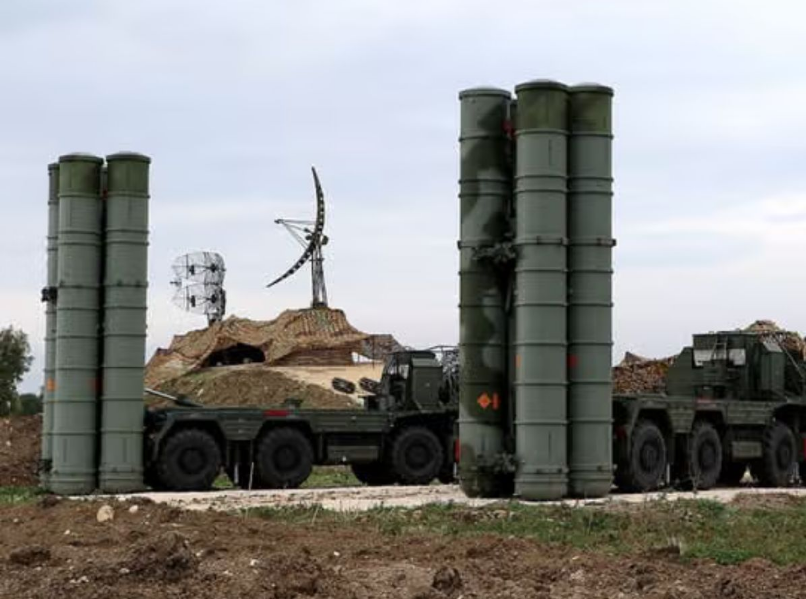
The Defence Research and Development Organisation (DRDO) successfully conducted maiden flight tests of the Integrated Air Defence Weapon System (IADWS), off the Odisha coast around 12.30 pm Sunday.
This marks another step towards developing a homegrown nationwide security shield from multidomain enemy attacks under Mission Sudarshan Chakra by 2035.
In a statement, the Ministry of Defence said the IADWS is a multi-layered air defence system comprising all indigenous Quick Reaction Surface to Air Missiles (QRSAM), Advanced Very Short Range Air Defence System (VSHORADS) missiles and a high-power laser-based Directed Energy Weapon (DEW).
The development comes days after Prime Minister Narendra Modi, addressing the nation on Independence Day, announced the launch of Mission Sudarshan Chakra, a comprehensive, multi-layered, networked system aimed at protecting India and its vital installations from a range of enemy attacks across domains.
The shield is expected to offer multiple layers of protection by combining surveillance, cybersecurity, and air defence systems to detect and destroy threats, including long-range missiles, aircraft and unmanned aerial vehicles, along the borders and at critical installations.
Defence research organisations and the private sector are expected to collaborate on the project. It is likely to be integrated with the IAF’s Integrated Air Command and Control System (IACCS) and the Army’s Akashteer subsequently.
Indian air defences had successfully intercepted Pakistani missiles and drones during the hostilities that followed Operation Sindoor
India’s flagship surface-to-air missile systems – S400 Triumf, Barak 8 MRSAM (Medium Range Surface to Air Missile) and the indigenous Akash – played key roles as the Armed Forces activated their Integrated Counter UAS (Unmanned Aerial Systems) Grid, among other air defence systems, to thwart Pakistani attacks.
On the flight tests of the IADWS, the Ministry of Defence said that the integrated operation of all the weapon system components is controlled by a Centralised Command and Control Centre developed by the Defence Research & Development Laboratory.
VSHORADS and DEW are developed by Research Centre Imarat and Centre for High Energy Systems and Sciences, respectively.
According to the government, during the flight tests, three different targets, including two high-speed fixed-wing Unmanned Aerial Vehicle targets and a multi-copter drone, were simultaneously engaged and destroyed completely by the QRSAM, VSHORADS and High Energy Laser weapon system at different ranges and altitudes.

 admin
admin