Shaun
Shaun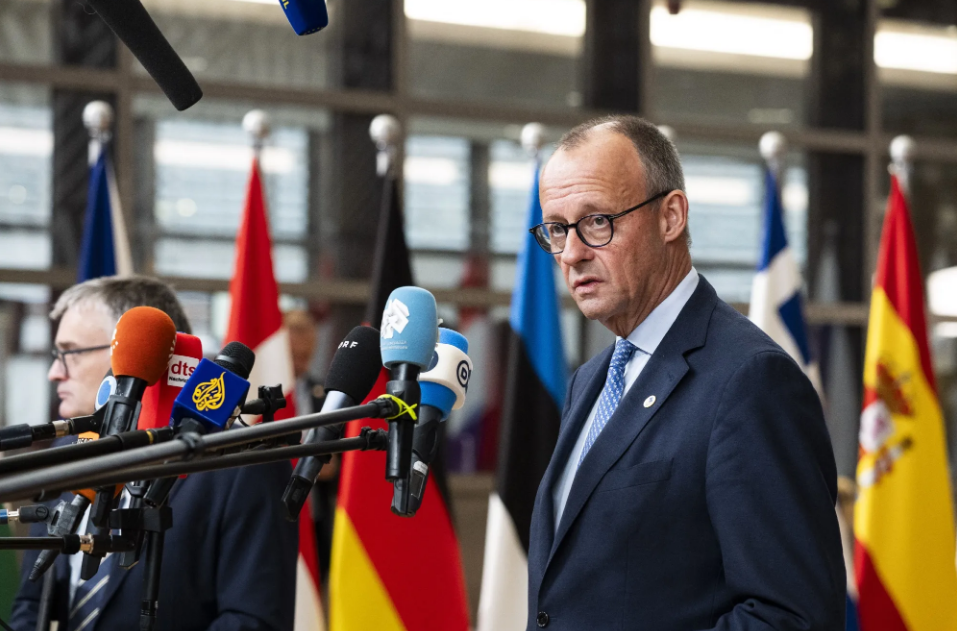
Belgian Prime Minister Bart De Wever said on Thursday he hopes to have a “fruitful discussion” with German Chancellor Friedrich Merz on Friday about an EU plan to use Russian frozen assets to support Ukraine against Russia’s invasion.
The European Commission, the European Union’s executive body, has proposed a “reparations loan” using Russian state assets frozen in the EU following Russia’s invasion. However, Belgium, which holds the majority of the assets, has raised various legal concerns and remains unconvinced by the plan.
Merz, who has voiced support for the plan but also said the risks should be borne by all EU countries, not just Belgium, will be in Brussels on Friday to discuss the issue.
The chancellor said on Thursday evening that his aim was to speak with De Wever as soon as possible to convince him to drop his opposition so the parties could move forward on the issue.
“I hope it will be a fruitful conversation and that we will find a solution that we can then present to Europe over the next two weeks,” De Wever told local media outlets.
The Commission hopes to secure a firm commitment from member states at a summit of EU leaders on December 18.
But De Wever said he would not be pushed into backing a plan.
“I can still determine my own position, even if there are large, strong neighbours whom I like very much and greatly respect politically, who might ask me something differently. I have only one responsibility: that is the interests of the Belgian taxpayers.”
MONEY MUST GO TO UKRAINE
In a letter he sent to European Commission President Ursula von der Leyen last month, De Wever raised concerns about potential Russian retaliation and the prospect of financial claims against Belgium and Euroclear, the financial institution where the assets are held.
Merz also stressed on Thursday that he would ensure the money goes to Ukraine, warning that some in Washington want to make certain economic gains with the frozen assets.
“This is a European matter, and I see no way, in any form of economic benefit, to transfer the money we then mobilize to the United States of America,” he said in Berlin.
“This money must go to Ukraine.”
An early version of the U.S.-backed peace plan, published in the media, suggested that $100 billion of the frozen funds will be invested in reconstruction of Ukraine with some of the rest of the funds invested in a joint US-Russia fund.
Russia’s parliament has said any seizure must be met with legal action and Moscow could also take over the assets of investors from “unfriendly states”.
Britain holds about £25 billion of frozen Russian assets and Foreign Minister Yvette Cooper said on Thursday London was pressing for a coordinated plan with Belgium and other EU states to tap the assets to help sustain Ukraine’s defence long term.

 admin
admin