Shaun
Shaun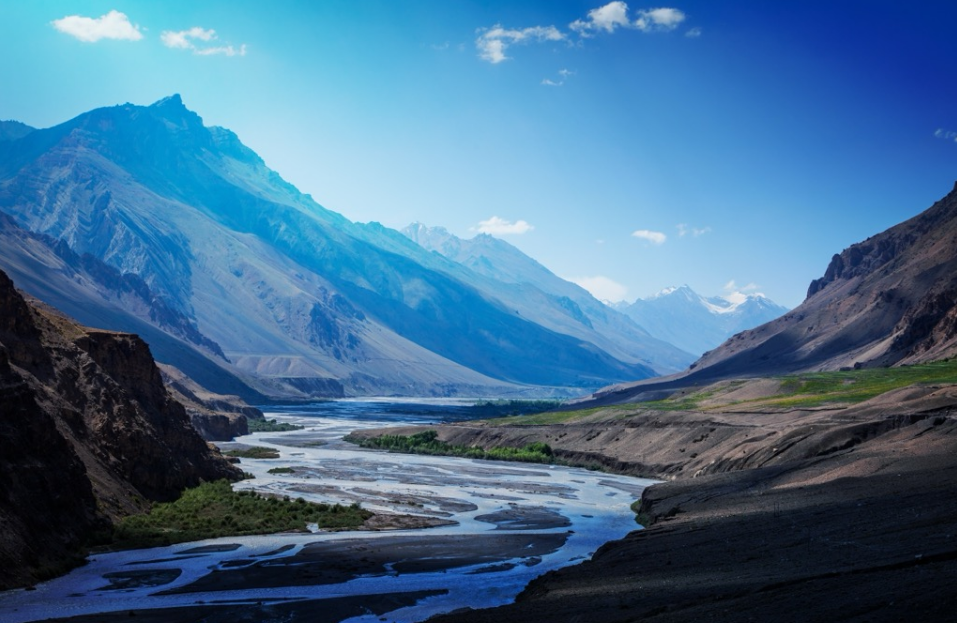
Spiti Valley’s unique ecosystem gains national recognition, spotlighting conservation and sustainable development in this fragile Himalayan region.
Spiti Valley Becomes India’s Pioneer Cold Desert Biosphere Reserve
In a landmark environmental achievement, Himachal Pradesh’s Spiti Valley has been officially designated as India’s first Cold Desert Biosphere Reserve. This prestigious recognition underscores the valley’s exceptional biodiversity, delicate ecosystem, and cultural heritage nestled high in the Himalayas.
English Translation:
“Spiti Valley’s cold desert landscape and unique wildlife are now protected under this national honor, marking a milestone for conservation efforts in India,” said a spokesperson from the Ministry of Environment.
What Makes Spiti Valley Special?
Spiti Valley, located in the Lahaul-Spiti district, is renowned for its:
-
High-altitude cold desert environment: Characterized by barren mountains, sparse vegetation, and extreme climatic conditions.
-
Rich biodiversity: Home to rare species like the snow leopard, Himalayan ibex, and elusive black-necked cranes.
-
Cultural heritage: Inhabited by Buddhist communities with centuries-old monasteries and traditions.
The biosphere reserve status will help preserve these unique natural and cultural treasures while promoting eco-friendly tourism and sustainable livelihoods.
Localized Perspective: Impact on Spiti’s Communities and Economy
For the residents of Spiti, many of whom depend on agriculture, pastoralism, and tourism, this recognition brings both hope and responsibility.
Tsering Dhondup, a local community leader, expressed optimism:
“This status will protect our environment and open doors for sustainable development. It’s important that we balance nature conservation with our traditional way of life.”
Local businesses anticipate a boost in eco-tourism, attracting nature lovers, researchers, and adventure travelers seeking authentic Himalayan experiences.
Why This Recognition Matters Nationally and Globally
Spiti’s designation as a cold desert biosphere reserve sets a precedent for conserving other fragile cold desert ecosystems in India and beyond. It aligns with global biodiversity goals and the United Nations’ Sustainable Development Goals (SDGs), particularly those focused on climate action, life on land, and sustainable communities.
Environmental experts believe this move will strengthen efforts against climate change impacts in the Himalayan region, fostering resilience in vulnerable landscapes.
Key Facts About Spiti Cold Desert Biosphere Reserve
| Feature | Details |
|---|---|
| Location | Spiti Valley, Lahaul-Spiti, Himachal Pradesh |
| Area Covered | Approximately 1,569 square kilometers |
| Unique Wildlife | Snow leopard, Himalayan ibex, black-necked crane |
| Cultural Highlights | Ancient Buddhist monasteries, local villages |
| Conservation Goals | Biodiversity protection, sustainable tourism, community development |
What Lies Ahead for Spiti Valley?
With biosphere reserve status, Spiti Valley will benefit from enhanced conservation funding, scientific research, and community engagement programs. Authorities plan to:
-
Implement eco-friendly tourism policies.
-
Promote renewable energy and sustainable agriculture.
-
Involve local communities in decision-making and management.
These steps aim to ensure that Spiti’s natural beauty and heritage thrive for generations to come.
Conclusion: A Proud Moment for Himachal and India’s Environmental Future
The recognition of Spiti Valley as India’s first Cold Desert Biosphere Reserve shines a spotlight on the region’s unmatched ecological and cultural value. It reflects India’s growing commitment to safeguarding its diverse landscapes and fostering harmony between nature and people.


 admin
admin