Shaun
Shaun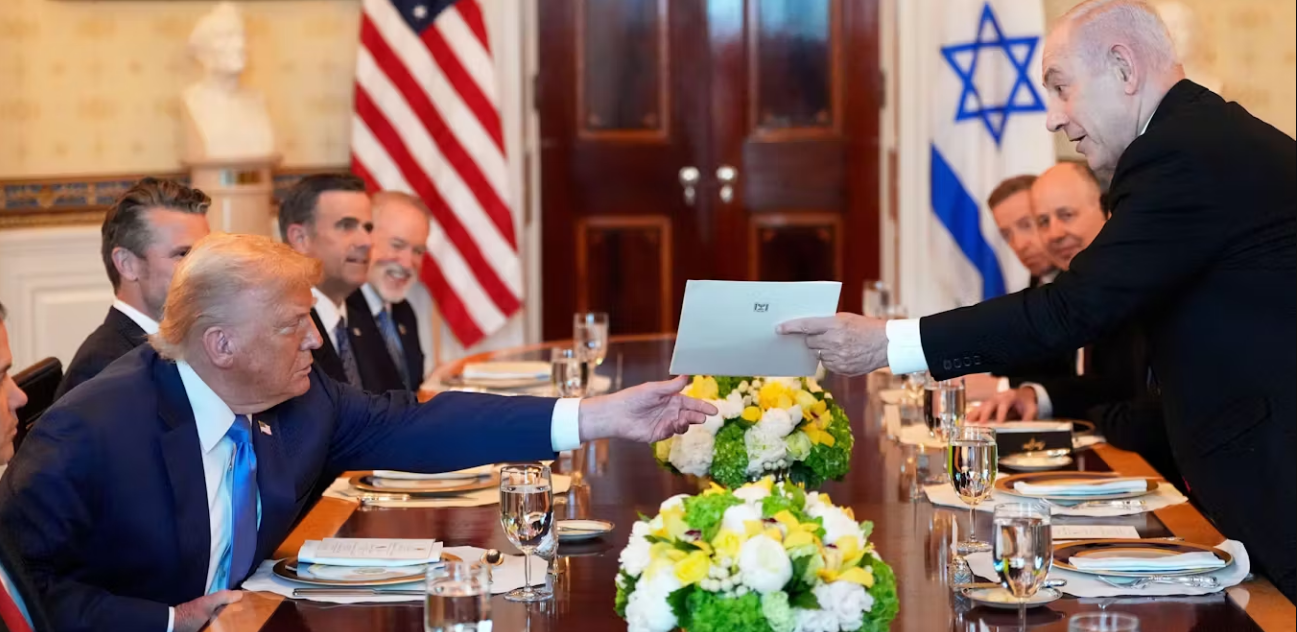
Introduction:
A significant step toward peace in the Middle East could be on the horizon as a potential Gaza peace deal enters its final stages. Former U.S. President Donald Trump is set to meet with Israeli Prime Minister Benjamin Netanyahu, signaling a crucial moment in diplomatic negotiations. This peace agreement aims to bring an end to years of conflict, with an emphasis on stability in Gaza and the broader region. What’s more, the deal could pave the way for a new era of Israeli-Arab relations, building upon the legacy of the Abraham Accords.
Gaza Peace Deal: Key Developments and Insights
Gaza Conflict: For decades, Gaza has been at the heart of the Israeli-Palestinian conflict. Tensions between Israel and Hamas, the militant group governing Gaza, have resulted in several violent outbreaks. The humanitarian crisis in the region, coupled with economic struggles, has made it one of the most volatile places in the world. Over the years, numerous peace efforts have failed to create lasting stability, but recent developments suggest that a breakthrough could be imminent.
Trump’s Role in the Deal:
Former U.S. President Donald Trump has been an active player in Middle Eastern diplomacy, particularly after facilitating the Abraham Accords, which normalized relations between Israel and several Arab nations like the UAE, Bahrain, Sudan, and Morocco. His approach has often been unconventional, but his administration’s efforts were praised for their push toward peace in the region.
Now, Trump’s meeting with Netanyahu represents a significant moment in the final stages of the Gaza peace talks. The deal, still shrouded in some secrecy, is expected to address key concerns in the region, such as security, humanitarian aid, and economic recovery. Trump’s involvement is seen as pivotal due to his longstanding relationship with Netanyahu and his ability to influence both Israeli and Palestinian leaders.
Localized Perspective: What This Means for the Region?
For residents of Gaza and Israel, the prospect of peace represents hope amid years of conflict. For Palestinians in Gaza, the potential deal offers a chance for improved living conditions, access to aid, and greater autonomy. However, local concerns remain about the nature of the agreement and whether it will address the root causes of the conflict—such as the blockade of Gaza and the political status of Palestinians.
For Israelis, a peace deal may offer a chance for security and stability, especially given the ongoing security threats posed by militant factions in Gaza. The normalization of relations with neighboring Arab countries, if extended to the Palestinian territories, could also offer economic opportunities and bolster Israel’s international standing.


 admin
admin