Shaun
Shaun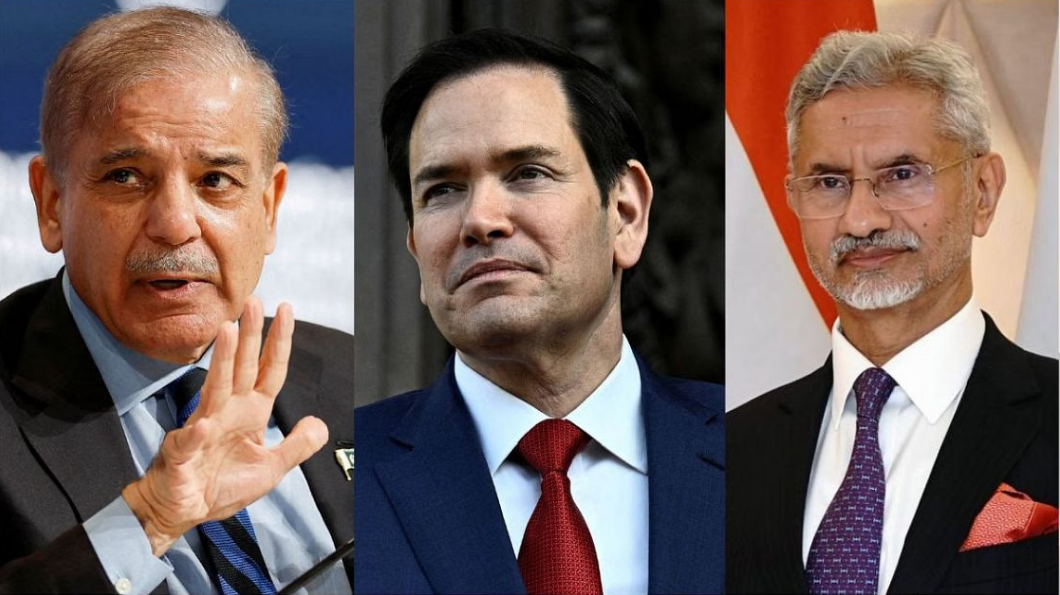
At the 80th session of the United Nations General Assembly (UNGA) in New York on September 26, 2025, Pakistan Prime Minister Shehbaz Sharif delivered a fiery address accusing India of “unprovoked aggression” along their shared border, framing it as a violation of international norms. Sharif’s speech, which lasted over 30 minutes, centered on the brief but intense India-Pakistan conflict in May 2025, triggered by the Pahalgam terror attack that killed 26 civilians in Jammu and Kashmir.
He hailed Pakistan’s military response as a “decisive victory,” claiming the Pakistan Air Force downed seven Indian fighter jets and repelled strikes on Pakistani cities, while portraying India as exploiting the tragedy for political gain by rejecting an “independent international investigation.”Sharif also condemned India’s suspension of the 1960 Indus Waters Treaty (IWT) as an “act of war,” alleging it defied treaty provisions and threatened Pakistan’s water security amid climate challenges.
He called for resuming comprehensive dialogue between the two nations, emphasizing Kashmir as a core issue, and stated, “I stand with the Kashmiri people; one day soon, India’s tyranny there will end.” Notably, Sharif praised U.S. President Donald Trump for brokering a ceasefire in May, describing him as a “man of peace” who helped avert escalation. He admitted China’s support during the conflict but focused on urging global powers to mediate on water-sharing and border disputes.
Swift Rebuttal: “Absurd Theatrics” and a Call to Dismantle Terror NetworksIndia wasted no time in responding, exercising its “right of reply” later that day through First Secretary Petal Gahlot at India’s Permanent Mission to the UN. Gahlot dismantled Sharif’s narrative in a pointed four-minute address, labeling it “absurd theatrics” and accusing Pakistan of “glorifying terrorism” as the “core of its foreign policy.” She rejected Sharif’s claims about the May conflict—codenamed “Operation Sindoor” by India—as “unverified propaganda,” noting that Indian forces had targeted terror camps in Bahawalpur and Muridke, eliminating key operatives. Gahlot highlighted Pakistan’s history of sheltering terrorists, including Osama bin Laden, and shielding groups like The Resistance Front (TRF)—a UN-proscribed outfit linked to the Pahalgam attack—at the UN Security Council on April 25, 2025.“Mr.
President, this assembly witnessed absurd theatrics this morning from the Prime Minister of Pakistan, who once again glorified terrorism… No degree of drama and no level of lies can conceal the facts,” Gahlot declared. She demanded Pakistan “shut down terror camps, hand over wanted terrorists, or face accountability,” adding that India would “never bow to nuclear threats or blackmail.” On the IWT, she implied restoration could follow verifiable action against cross-border terrorism, echoing former diplomat KP Fabian’s post-speech comment that a UN-verified dismantling of terror infrastructure would pave the way for dialogue.
Gahlot’s viral response drew applause in the hall and praise on social media, with users calling it a “masterclass in diplomacy.”Background: The Pahalgam Attack and May EscalationThe dispute traces back to the April 22, 2025, Pahalgam massacre, where TRF militants—identified as Pakistani nationals via voter IDs and local confessions—targeted tourists, selectively killing non-Muslims. India blamed Pakistan for sponsoring the attack, leading to “Operation Sindoor” airstrikes on nine terror launchpads in Pakistan-occupied Kashmir (PoK) and mainland Pakistan between May 7-10.
Pakistan retaliated with air incursions, but a U.S.-brokered ceasefire ended the four-day standoff. Indian officials, including Air Chief Marshal Amar Preet Singh, later claimed downing five Pakistani jets, countering Sharif’s assertions. The IWT suspension, announced post-attack, was framed by India as a counter to Pakistan’s “misuse of the treaty for political leverage,” while Pakistan views it as economic warfare.Broader Implications and Global EchoesThis UNGA exchange underscores persistent South Asian tensions, with Pakistan leveraging the forum to rally support on Kashmir and water rights, while India pivots to its “zero-tolerance” anti-terror stance.
On X (formerly Twitter), reactions split along national lines: Indian users celebrated Gahlot’s “ripping” rebuttal, sharing clips of her speech, while Pakistani accounts amplified Sharif’s “victory” narrative and China’s role. Globally, the U.S. welcomed the ceasefire reference but urged restraint, and Bangladesh’s interim leader Muhammad Yunus echoed calls for SAARC revival amid India-Pakistan friction.
|
Key Claims by Sharif
|
India’s Counter via Gahlot
|
|---|---|
|
India launched “unprovoked aggression” in May; Pakistan downed 7 Indian jets.
|
Claims are “unverified propaganda”; India targeted terror sites in self-defense.
|
|
IWT suspension is an “act of war” violating international law.
|
Restore treaty only after Pakistan dismantles terror infrastructure (UN-verified).
|
|
India rejected independent probe into Pahalgam; Kashmir under “tyranny.”
|
Pakistan shielded TRF perpetrators at UNSC; glorifies terrorists like Bin Laden.
|
|
Praised Trump for ceasefire; sought dialogue on all issues.
|
No dialogue without ending cross-border terror; won’t yield to “nuclear blackmail.”
|
As the UNGA continues through September 29, 2025, this verbal skirmish highlights the fragility of India-Pakistan ties, with water, terror, and Kashmir remaining flashpoints. Analysts suggest U.S. mediation could reopen tracks, but only if Pakistan acts on terror curbs— a precondition India has reiterated since 2019’s Pulwama crisis.


 admin
admin